Does Holistic Mean Whole? A Guide to Everyday Wellness
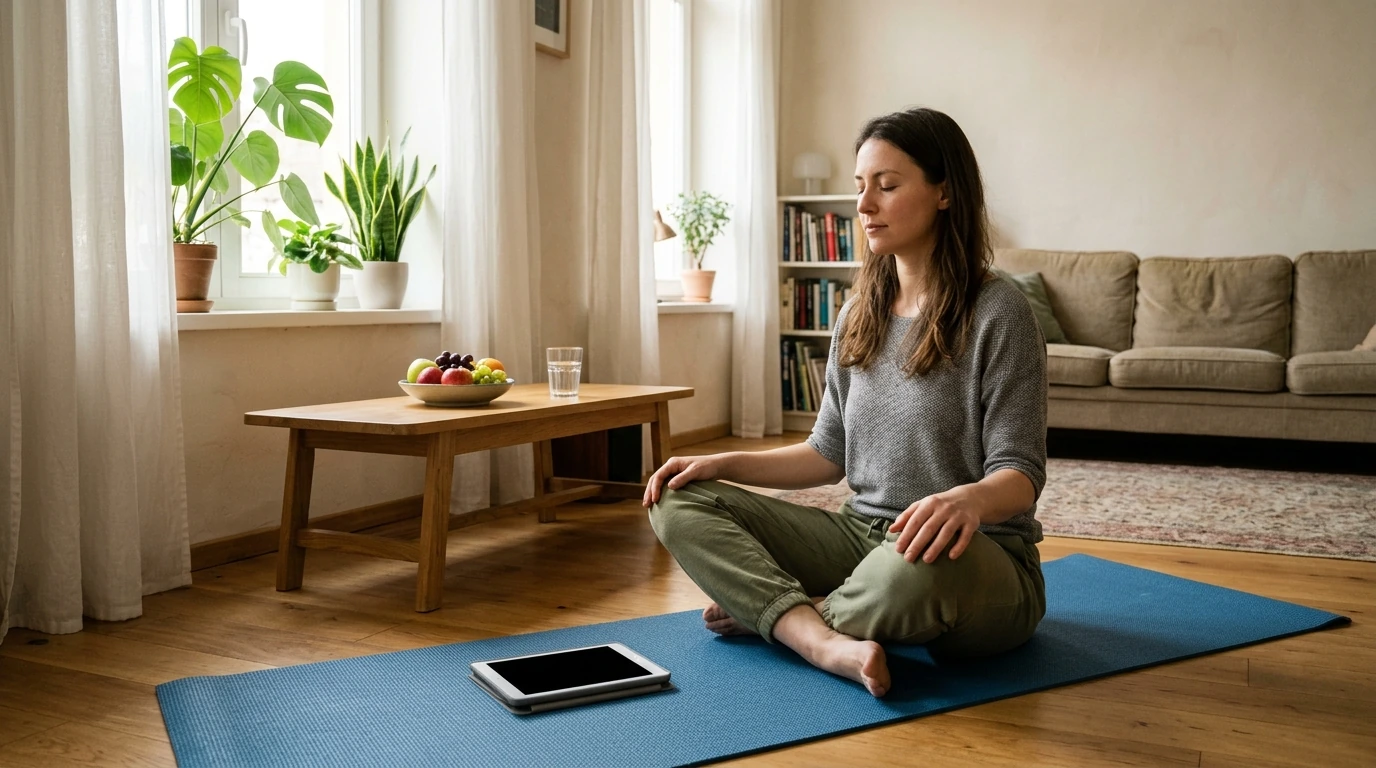
Does holistic mean whole?
Yes. “Holistic” means looking at something as a whole rather than considering only its separate parts. In wellness, it describes an approach that considers how different aspects of your life, such as physical health, emotional well-being, relationships, and daily habits, connect.
Holistic does not mean you have to change everything at once. It means you can consider the bigger picture when deciding what support or routines make sense for you.
What does holistic mean in everyday life?
A holistic perspective recognizes that one part of your life can influence another. For example, regular movement may support your physical health and help you manage stress. Likewise, time with supportive people can contribute to your emotional well-being.
Instead of focusing on a single goal in isolation, you can ask how your choices fit into your broader routine. A realistic plan might include nourishing meals, enjoyable activity, time to unwind, and space for social connection. The balance will look different for everyone.
Does holistic always mean natural?
No. “Holistic” describes a whole-person perspective; it does not automatically mean natural, alternative, or free of conventional medicine. A holistic approach can include medical care alongside supportive habits such as movement and stress management.
Natural products are not necessarily safe for everyone, and supplements can interact with medications. If you are considering a supplement or have a health concern, talk with a qualified health professional about what is appropriate for you.
How can you use a holistic approach to wellness?
Start by noticing what helps you feel and function well throughout your day. Choose one manageable step, such as taking a short walk, setting aside time to relax, or planning a meal you enjoy. You can build on that step as your needs and routines change.
When choosing wellness products, focus on their intended use and how they fit your routine. For example, a water bottle can make hydration more convenient, while a journal can give you space to reflect. Products are tools, not substitutes for professional care or guarantees of better health.
Our team keeps the whole-person idea practical: choose habits and tools that support your needs without expecting perfection. For a broader introduction, explore our beginner’s guide to holistic wellness.
FAQ
Can holistic wellness include conventional medical care?
Yes. Holistic wellness can include conventional medical care while also considering habits, relationships, and other parts of your life that affect your well-being.











Leave a comment